Get More Bookings with These Airbnb Property Description Tips

Pictures say a thousand words. But use them wisely, and a few hundred can prove to be more than enough. Good Airbnb listing descriptions sell stays by turning static images into a full story about how it feels to eat, sleep, work, and unwind in your space. They bridge the gap between “nice photos” and “this is exactly where I want to be,” guiding guests from casual scrolling to a confident, committed booking. Today, we’ll show you how to write them like a pro.
Airbnb Property Description Ground Rules
Before we have some fun with creative content, it's important to recognize the standard rules every Airbnb property description ought to follow.
Tell the Truth, the Whole Truth
Your listing has to accurately reflect the space you’re actually offering: the type of place (entire home vs. private room), number of bedrooms and beds, level of privacy, and overall condition. Exaggerated claims or heavily edited photos that hide flaws are now explicitly against Airbnb policy and can get content removed or your listing penalized.
Match Your Words to Your Photos
The description, title, and photos need to tell the same story. If you show a hot tub, fenced yard, or “chef’s kitchen,” those amenities must be present, functional, and available to guests during the stay, not “sometimes” or “only if we remember to unlock it.”
Disclose All Limitations and Quirks
Be upfront about anything that could impact comfort or accessibility: stairs, street noise, lack of elevator, shared spaces, seasonal pools, or pet/child-unfriendly features. Airbnb specifically expects hosts to flag aspects that might be challenging for guests with limited mobility or for families with young kids.
Be Clear About Guest Access
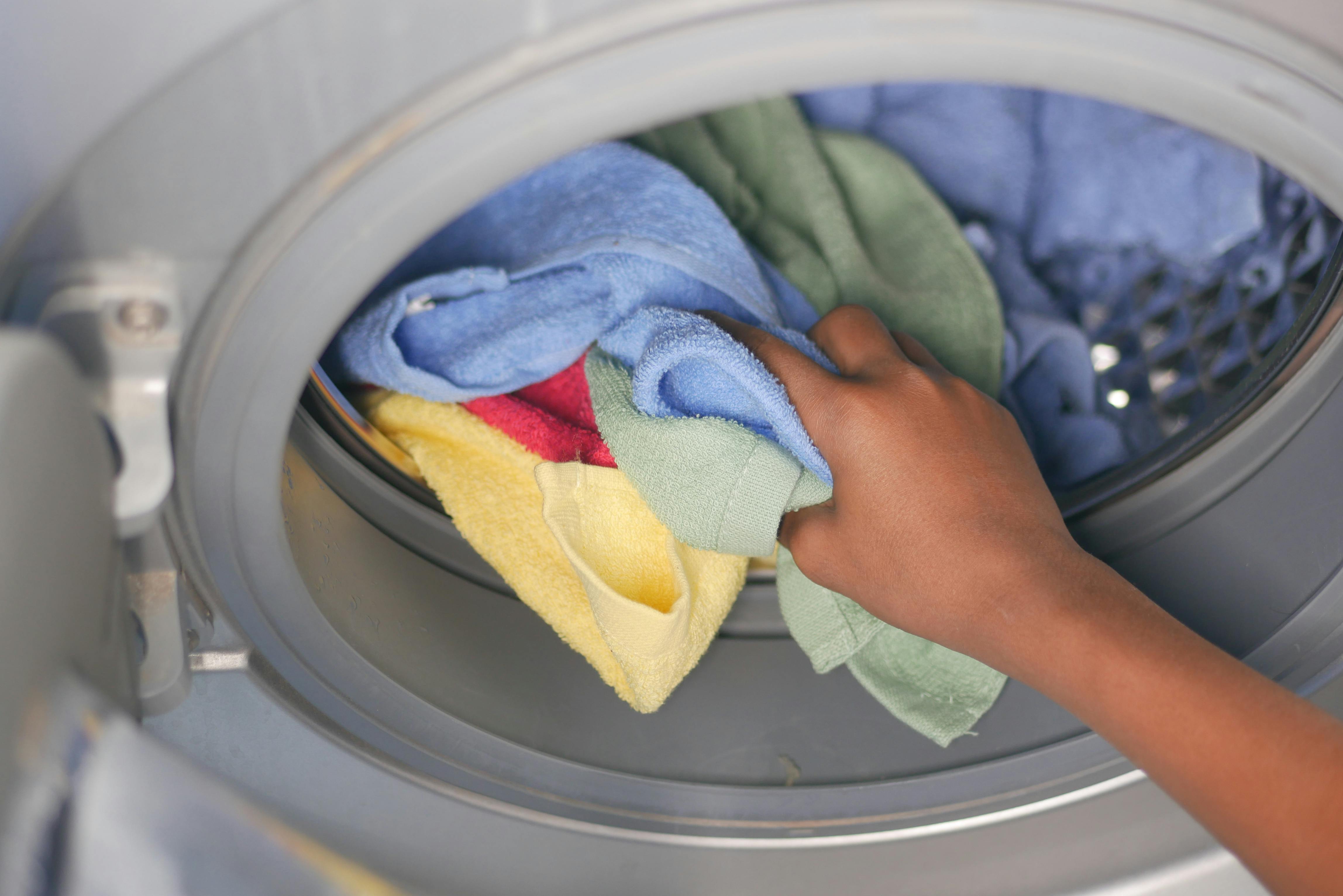
Spell out exactly which areas guests can use (entire home, specific rooms, yard, parking, shared laundry, etc.) and any off-limits spaces. This clarity reduces misunderstandings and aligns with Airbnb’s guidance to describe guest access separately from the main property blurb.
Keep It Concise
At the risk of sounding hypocritical and voiding the value of this article, no one reads anymore. At least not in full. Guests skim, so it's best to lead with important details in the first 2–3 sentences, avoid repeating amenities that are already in Airbnb’s built-in fields, and break longer paragraphs into short, readable chunks. Airbnb itself recommends brief, focused descriptions rather than dense walls of text.
Set Expectations
Use the official House Rules and “Other things to note” sections to call out non‑negotiables: quiet hours, pet policies, smoking, visitors, fees, security cameras, and local bylaws you need guests to respect. This is where you translate your internal boundaries into written rules guests must agree to before booking.
Avoid Misleading or Prohibited Content
Steer clear of discriminatory language, unrealistic guarantees, or anything that misrepresents safety, cleanliness, or what’s included. Airbnb can require you to remove content that misleads guests or uses AI editing to add non‑existent features or conceal damage.
Reflect the Stay You Can Deliver
The tone and promises in your description should match the real experience: if the home is simple but spotless and well‑located, sell that honestly instead of pretending it’s a luxury resort. Overselling may get you bookings in the short term but usually leads to poor reviews and lower search ranking over time.
Airbnb Property Description Best Practices
We've covered the bare minimum expectations for Airbnb property descriptions. But you can obviously do better. Here's how:
Be Personable
Approach writing an Airbnb property description like a dating profile bio. People have no insight into character without some from-the-heart storytelling. In the context of vacation properties, it's in the description where guests will get to know what their future accommodation will look and feel like.
Vibes can surprisingly differ depending on writing style. Look at these contrasting examples; they contain the same information but it’s hard to tell they’re describing the same place:
“Cozy 2-bedroom unit close to downtown. Wi‑Fi, parking, and kitchen included. Suitable for families or business travelers.”
“Wake up in a sunny 2-bedroom retreat just five minutes from the city buzz, with blazing‑fast Wi‑Fi, free parking, and a fully stocked kitchen ready for your morning coffee ritual.”
Both share the same facts, but the second description adds personality, sensory detail, and a sense of rhythm that helps guests imagine themselves in the space.
Mind Spelling and Grammar
It's embarrassing when an adult doesn't know the difference between “there,” “their,” and “they're.” When an Airbnb description misuses similarly sounding words, it's straight-up unprofessional and can make guests question the overall care you put into hosting.
Keep the language simple and clear, and always run your description through a spell-check tool. Read it out loud once before publishing; if you stumble or get confused, your guests will too. Clean, confident writing signals that you’re a careful host who pays attention to details.
Lead With the Headline and First Two Sentences
Most guests will only read your title and the opening lines before deciding whether to click through or scroll past. Treat those first few words as your hook: highlight your strongest selling points, like location, unique features, or target guest type.
For example, instead of “Nice apartment in Toronto,” try, “Bright loft in downtown Toronto with free parking and lake views.” Your opener should quickly answer: what is this place, where is it, and why should I care?
Write for Your Ideal Guest
Not every property is for everyone, and your description should reflect that on purpose. Decide who you most want to attract - remote workers, families, couples, or group travelers—and emphasize the details that matter most to them.
For example, if you’re writing for remote workers, highlight the dedicated desk, ergonomic chair, fast Wi‑Fi, and quiet hours. If you’re targeting families, lean into the crib, blackout curtains, high chair, and nearby playgrounds. When the right guests feel spoken to, they’re more likely to book, respect the space, and leave great reviews.
Crafting an effective Airbnb property description is about setting honest expectations while selling a clear, compelling vision of the stay. When you combine accurate details with personality, clean writing, and guest‑focused messaging, you not only attract more of the right guests but also set yourself up for smoother stays and stronger reviews. Treat your description as a living asset you revisit and refine over time, and it will keep working quietly in the background to support your occupancy, pricing, and reputation.